Tech Innovations Shaping Yarn Production: A Closer Look
Oliver Hayes ·
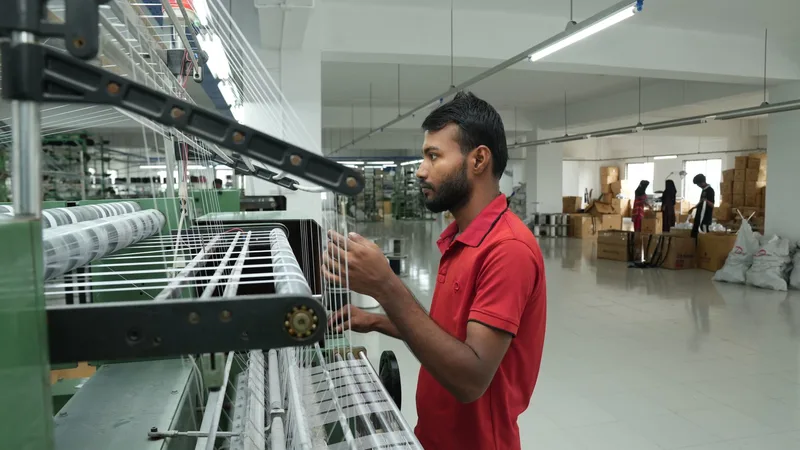
In recent years, the yarn manufacturing industry has embraced a wave of technological innovations that are reshaping traditional production methods. From automated spinning machines to AI-driven…
Automated Spinning Technologies
In the realm of sweater and yarn manufacturing, the integration of automated spinning technologies has revolutionized the way we produce yarn. These advancements not only enhance production efficiency but also ensure a consistent quality that meets the demands of modern textile markets. As competition continues to grow, manufacturers are turning to these innovations to streamline operations, reduce costs, and ultimately deliver higher-quality products to consumers. Understanding these technologies is essential for anyone interested in the future of yarn production
High-Speed Spinning Machines
High-speed spinning machines have become a cornerstone of modern yarn production, offering remarkable speed and efficiency improvements. These machines operate at unprecedented rates, allowing for the rapid conversion of raw fibers into finished yarn. The result is a significant boost in productivity, reducing the time from fiber to fabric. Additionally, high-speed spinning reduces labor costs and minimizes waste, making it a financially attractive option for manufacturers looking to stay competitive in a fast-paced market.
Robotic Yarn Handling
Robotic yarn handling is another innovation that has transformed the manufacturing landscape. By automating the movement and processing of yarn, manufacturers can achieve greater precision and reduce the risk of human error. Robotics streamline the supply chain, ensuring that materials are handled efficiently and safely. This not only speeds up production times but also enhances workplace safety, allowing human workers to focus on more complex tasks that require critical thinking and creativity, which are vital in a competitive industry.
AI in Quality Control
The introduction of artificial intelligence (AI) in quality control is changing the way manufacturers ensure their products meet rigorous standards. AI-driven technologies are capable of analyzing vast amounts of data to identify defects in yarn production with exceptional accuracy. This shift not only improves product quality but also reduces the costs associated with returns and rework. With the increasing complexity of yarn manufacturing, AI is becoming indispensable for maintaining high-quality output and meeting customer expectations.
Machine Learning Algorithms
Machine learning algorithms play a crucial role in detecting defects more accurately than traditional methods. These algorithms can learn from past production data, identifying patterns that may lead to defects before they occur. By implementing machine learning, manufacturers can significantly reduce waste and ensure that only the highest quality yarn reaches the market. This proactive approach not only saves resources but also helps maintain brand reputation in a competitive environment where quality is paramount.
Predictive Maintenance
Using AI for predictive maintenance is a game changer for yarn manufacturers. By analyzing data from machinery, AI can predict potential failures before they happen, allowing companies to schedule maintenance proactively. This minimizes downtime and extends the lifespan of expensive equipment. Predictive maintenance not only saves costs but also enhances overall operational efficiency, which is critical for manufacturers aiming to keep pace with the demands of the market and deliver consistently high-quality products.
Sustainable Practices in Yarn Manufacturing
Sustainable practices in yarn manufacturing have become increasingly vital in the face of environmental concerns. As consumers grow more conscious of their purchases, the industry is shifting towards eco-friendly solutions that minimize harm to the planet. This movement not only reflects a commitment to sustainability but also opens up new avenues for innovation within the sector. By embracing these practices, yarn manufacturers can appeal to a broader audience while contributing positively to the environment.
Eco-Friendly Materials
The rise of biodegradable and recycled yarns marks a significant advancement in sustainable yarn production. Manufacturers are now sourcing materials that not only reduce waste but also lessen the carbon footprint associated with traditional yarns. For instance, some companies are producing yarns made from recycled plastic bottles, turning waste into wearable products. This approach not only conserves resources but also demonstrates a commitment to environmental responsibility that resonates with eco-conscious consumers.
Energy-Efficient Production
Technologies that reduce energy consumption in factories are crucial for promoting sustainability in yarn manufacturing. Modern production facilities are increasingly incorporating energy-efficient machinery and practices, which lead to lower energy costs and a reduced impact on the environment. For example, some manufacturers are utilizing solar panels to power their operations, significantly decreasing their reliance on fossil fuels. This shift not only enhances production efficiency but also aligns with global efforts to combat climate change.
Global Market Trends in Yarn Production
The global market for yarn production is influenced by various trends that shape consumer preferences and industry dynamics. Understanding these trends is essential for manufacturers seeking to remain competitive in an ever-evolving marketplace. As the demand for sustainable and high-quality yarns increases, companies must adapt to meet the changing needs of their customers. This adaptability will be crucial for success in both local and international markets.
Shifts in Consumer Demand
Consumer preferences are evolving, with a noticeable shift towards sustainable and ethically produced yarns. Today's buyers are more informed and concerned about the origins of their products, favoring brands that prioritize transparency and environmental responsibility. As a result, manufacturers are compelled to innovate their offerings, focusing on quality and sustainability. This shift in demand not only impacts production processes but also encourages a broader conversation about the future of textile manufacturing.
Impact of Global Supply Chains
Analyzing how global events affect yarn availability reveals the fragility of supply chains in the textile industry. Disruptions caused by pandemics, trade policies, and geopolitical tensions can lead to significant delays and shortages. For instance, during the COVID-19 pandemic, many yarn producers faced challenges in sourcing raw materials, which directly impacted production timelines. Understanding these global dynamics is essential for manufacturers to navigate the complexities of the market and maintain a steady supply of yarns to meet consumer demands.
Cross-Industry Innovations
The evolution of yarn manufacturing is increasingly influenced by technological advancements from various industries. As companies strive for efficiency and sustainability, they are looking beyond traditional practices to adapt innovations that have proven successful in other fields. This cross-pollination of ideas is leading to smarter production methods and enhanced quality in yarn creation. By examining these innovations, manufacturers can streamline operations, reduce waste, and improve their overall product offerings.
Adapting Technologies from Other Fields
Yarn manufacturers are now leveraging technologies originally developed for sectors like automotive and electronics. For instance, precision robotics, initially designed for assembly lines, are being integrated into yarn production for tasks such as winding and packaging. This not only increases speed but also minimizes human error, resulting in consistently high-quality products. Furthermore, the use of data analytics, common in tech companies, is helping yarn producers optimize their supply chains and forecast demand more accurately, ensuring they remain competitive in a rapidly changing market.
The Digitalization of Production
Digital tools are becoming indispensable in the yarn manufacturing process, enabling companies to manage production more effectively. Implementing software solutions for inventory management and production scheduling leads to smoother operations and better resource allocation. Manufacturers can now monitor equipment performance in real-time, identifying issues before they escalate into costly downtime. This digital transformation not only enhances productivity but also supports sustainability initiatives by reducing material waste and energy consumption throughout the production cycle.
Connecting Yarn Production to Casino Entertainment
The relationship between technology in yarn production and casino entertainment may not be immediately apparent, but both industries are experiencing transformative changes through innovative tech applications. As the production of yarn adapts to digital advancements, the world of gambling is also evolving, particularly with the integration of real-time technology. This shared trajectory highlights how innovations can transcend industry boundaries, creating new opportunities for engagement and consumer experience.
The Role of Technology in Entertainment
Innovation in technology plays a crucial role in shaping entertainment, including both yarn production and the iGaming sector. In yarn manufacturing, advancements lead to higher quality and efficiency, while in gaming, they enhance user experience and engagement. Technologies like augmented reality and artificial intelligence are being explored in both fields. As manufacturers adopt these cutting-edge solutions, they pave the way for a more immersive experience, whether through interactive yarn design tools or engaging gameplay in online casinos.
Internet Live Roulette: A Case Study
Internet live roulette serves as a prime example of how real-time technology can enhance user experience in online gambling. This innovation allows players to interact with a live dealer through streaming technology, recreating the atmosphere of a physical casino from the comfort of their homes. The seamless integration of high-definition video and responsive interfaces ensures a smooth gaming experience. As this type of technology evolves, it mirrors the advancements seen in other industries, including yarn production, highlighting the potential for cross-industry inspiration and collaboration.