Sustainable Yarn Materials: A Guide for Eco-Conscious Crafters
Oliver Hayes ·
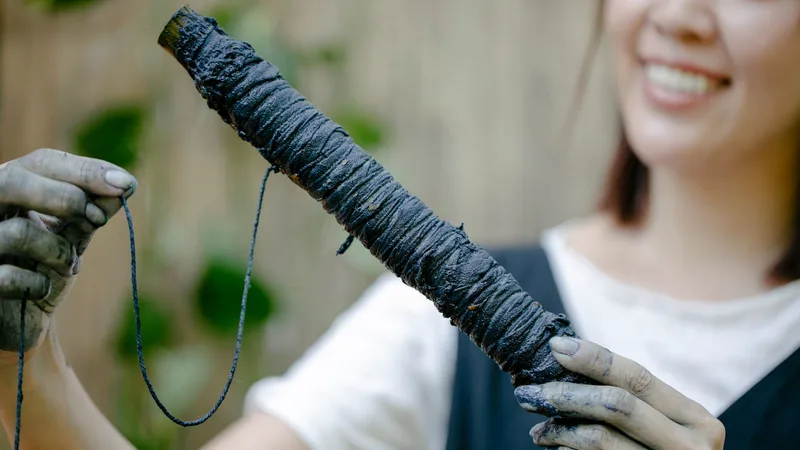
As the world becomes increasingly aware of environmental issues, the demand for sustainable materials in crafting has surged. Among these, eco-friendly yarn options have gained prominence in the…
Understanding Sustainable Yarn Materials
Sustainable yarn materials are becoming increasingly important for crafters who are conscious about their environmental footprint. In the realm of sweater and yarn manufacturing, sustainability refers to the practices and materials that minimize harm to the planet while ensuring high-quality products. This means considering how fibers are sourced, the impact of production processes, and the lifecycle of the yarn. As more crafters seek eco-friendly options, understanding what makes yarn sustainable is essential for informed decision-making and responsible crafting
What Makes Yarn Sustainable?
Sustainability in yarn production hinges on several key factors, including the materials used, the farming practices employed, and the energy consumption during processing. Sustainable yarn often comes from renewable resources, ensuring that the environment is not depleted in the process. Additionally, it involves ethical labor practices and minimal chemical use, which can lead to healthier ecosystems. By focusing on these elements, crafters can make choices that support both quality and ecological responsibility in their projects, making a positive impact.
Types of Sustainable Yarn
There is a diverse range of sustainable yarn materials available to eco-conscious crafters. Options include organic cotton, bamboo, and recycled fibers, each with unique properties and benefits. For instance, organic cotton is grown without harmful pesticides, while bamboo yarn is known for its softness and biodegradability. Recycled materials, such as post-consumer plastic bottles, are also gaining popularity. Understanding the characteristics of these yarns can help crafters select the best materials for their sustainable projects and showcase their creativity.
Natural Fibers: The Green Choice
Natural fibers represent one of the most sustainable choices for yarn manufacturing, appealing to those who prioritize eco-friendliness. These fibers come from plants and animals, making them biodegradable and often requiring less energy to produce compared to synthetic alternatives. By choosing natural fibers, crafters not only reduce their environmental impact but also enjoy the benefits of working with materials that have a rich history and versatility. This choice lays the foundation for responsible crafting while appealing to a growing community of environmentally-minded individuals who value quality.
Organic Cotton
Organic cotton yarn is celebrated for its sustainability and ethical sourcing practices. Unlike conventional cotton, organic cotton is grown without toxic pesticides or synthetic fertilizers, promoting healthier soil and ecosystems. The farming methods used often support biodiversity and reduce water consumption, making it a greener choice for crafters. In addition to its environmental benefits, organic cotton yarn is soft, durable, and perfect for crafting cozy sweaters that are both stylish and eco-friendly, enhancing any wardrobe.
Bamboo Fiber
Bamboo fiber is increasingly recognized for its sustainability and versatility in yarn production. Fast-growing and requiring minimal resources, bamboo can be harvested without harming the plant, making it a renewable resource. The resulting yarn is not only soft and breathable but also possesses natural antibacterial properties, which can be beneficial for wearables. As crafters look for innovative materials, bamboo yarn provides an exciting option that aligns with eco-conscious crafting while being suitable for various projects, including those that may involve leisure activities like online gaming or iGaming experiences, thus broadening its appeal.
Recycled and Upcycled Yarn Options
As the crafting community becomes increasingly aware of environmental issues, recycled and upcycled yarn options are gaining traction. These materials not only reduce waste but also offer unique textures and qualities that can enhance your projects. By choosing these sustainable alternatives, crafters can contribute to a healthier planet while creating beautiful garments. In this section, we'll explore two prominent types of eco-friendly yarn: recycled polyester and upcycled wool, each with its own unique charm.
Recycled Polyester
Recycled polyester yarn is produced from post-consumer plastic bottles and other plastic waste. The recycling process begins by collecting and sorting the plastics, which are then cleaned and shredded into small flakes. These flakes are melted down and extruded into new fibers, resulting in a durable and versatile yarn. This sustainable option not only helps reduce landfill waste but also conserves energy compared to producing virgin polyester. By incorporating recycled polyester into your knitting or crocheting projects, you can create stylish pieces while supporting a more sustainable crafting practice, showcasing your commitment to the environment.
Upcycled Wool
Upcycled wool yarn is made from reclaimed wool garments that are no longer wearable. The process involves unravelling these pieces and re-spinning the fibers into new yarn. This method not only prevents wool from ending up in landfills but also gives new life to beautiful materials that might otherwise go to waste. Upcycled wool can offer unique color variations and textures, making each skein special. Crafters often appreciate the character and history of upcycled materials, creating garments that have a story behind them. With the growing interest in eco-friendly practices, upcycled wool presents an excellent choice for conscientious crafters who value sustainability.
Innovative Synthetic Yarns
The search for sustainable crafting materials has led to the development of innovative synthetic yarns that minimize environmental impact. These yarns are designed to provide the same benefits as traditional synthetic fibers while incorporating eco-friendly production methods. In this section, we'll delve into two notable examples: Tencel and lyocell, and explore alternatives to conventional nylon. These innovative materials offer exciting possibilities for crafters looking to embrace sustainability without sacrificing quality or performance.
Tencel and Lyocell
Tencel, or lyocell, is a fiber derived from sustainably sourced wood pulp, primarily from eucalyptus trees. The production process involves a closed-loop system that recycles water and solvents, significantly reducing environmental impact. Tencel yarn is known for its softness, breathability, and moisture-wicking properties, making it an excellent choice for summer garments. The use of Tencel not only supports sustainable forestry practices but also results in a luxurious feel that crafters love. By incorporating Tencel into your projects, you can enjoy the benefits of a high-quality yarn while being kinder to the planet and your creations.
Nylon Alternatives
While traditional nylon has been a staple in the crafting world for its durability and strength, it comes with a significant environmental cost. Fortunately, various alternatives are now available that provide similar performance without the negative impact. Options like recycled nylon and plant-based fibers are gaining popularity among eco-conscious crafters. These materials offer the same resilience as conventional nylon while reducing the reliance on petroleum-based products. As we continue to explore sustainable crafting options, these nylon alternatives are paving the way for a greener future in the yarn industry, appealing to a new generation of crafters.
Crafting with Sustainable Yarn
As eco-conscious crafters, the choice of yarn plays a pivotal role in our projects. Sustainable yarn not only minimizes environmental impact but also offers unique textures and colors that enhance our creations. From organic cotton to recycled fibers, these materials provide a guilt-free crafting experience that celebrates creativity. Let's dive into some project ideas and care tips that will help you make the most of your sustainable yarn while enjoying the process.
Project Ideas
When it comes to projects, sustainable yarn can be used in a variety of creative ways. Consider knitting a cozy sweater from organic wool or crocheting a vibrant tote bag from recycled materials. These projects not only showcase your skills but also promote a sustainable lifestyle that resonates with today's values. You can also experiment with dyeing techniques using natural pigments to create one-of-a-kind pieces that reflect your personal style and commitment to eco-friendliness.
Care and Maintenance
Caring for eco-friendly yarns requires a bit of attention to ensure longevity and quality. Always follow the care instructions specific to the yarn type, as natural fibers may have different requirements. Hand washing with gentle soap and air drying is often recommended to preserve the texture and color. By properly maintaining your sustainable creations, you not only extend their life but also reinforce your commitment to eco-friendly crafting, making each piece last longer.
The Connection to Casino Entertainment
The world of crafting and the realm of casino entertainment may seem worlds apart, but both foster community and creativity. Just as crafters gather to share ideas and techniques, casino enthusiasts often come together to enjoy games and socialize. This sense of community is vital, whether you’re swapping yarn or placing bets at a live roulette table online. Both activities bring people together, creating bonds through shared experiences and a love for the craft of winning, enriching our lives.
Crafting and Community
Crafting builds a unique sense of community, much like the camaraderie found in casino settings. Local craft groups often meet to share techniques, ideas, and support, mirroring the social atmosphere of a casino where players engage and cheer for one another. In both environments, the act of creating—be it a handmade scarf or a winning strategy at the roulette table—fosters connections that enrich our lives. These interactions highlight the importance of community, whether through the stitches of our projects or the thrill of a game night, bringing joy and engagement.
Gambling on Sustainability
The rise of eco-friendly themes in online gaming reflects a broader cultural shift towards sustainability. As players increasingly seek out games that align with their values, casinos are responding by incorporating green practices and themes into their offerings. This can range from promoting games that support environmental initiatives to using sustainable materials in their marketing. The intersection of sustainability and gaming highlights a new trend where players can enjoy their favorite pastimes while supporting eco-friendly practices, creating a win-win situation for both the environment and the gaming community, driving positive change.