Knitting Techniques for Beginners: Tips for Mastering the Craft
Oliver Hayes ·
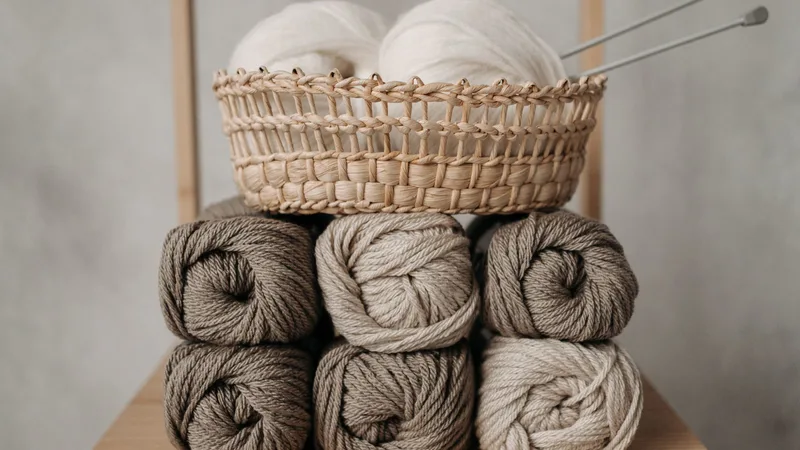
Knitting is an age-old craft that continues to captivate beginners and seasoned enthusiasts alike. With a variety of techniques available, novice knitters can easily feel overwhelmed. However,…
Understanding Yarn Types and Their Uses
When starting your knitting journey, one of the first aspects to consider is the type of yarn you'll be using. The choice between natural and synthetic yarns can significantly affect your projects. Natural yarns, made from fibers like wool, cotton, or silk, offer breathability and warmth but can also be more expensive. On the other hand, synthetic yarns, such as acrylic or polyester, are often more affordable and come in a broader range of colors and textures, making them a popular choice for beginners looking to experiment
Natural vs. Synthetic Yarns
Exploring the benefits and drawbacks of natural and synthetic yarns is essential for any aspiring knitter. Natural yarns provide a unique texture and warmth that can elevate your projects, but they require more care in washing and maintenance. In contrast, synthetic yarns are generally more durable and easier to care for, but they may lack some of the luxurious qualities of natural fibers. Understanding these differences will help you make informed decisions as you select the right yarn for every project you undertake.
Yarn Weight and Thickness
The weight and thickness of yarn play a crucial role in determining the outcome of your knitting projects. Each yarn weight corresponds to a specific gauge, which affects how tightly or loosely your stitches will be. Using the right weight is essential for achieving the desired size and drape of your finished piece. Additionally, different projects, such as sweaters or blankets, may require varying yarn weights, so learning how to choose the right one can lead to more successful and satisfying results in your crafting endeavors.
Mastering Basic Stitches
Once you've selected your yarn, the next step is mastering basic knitting stitches. The knit and purl stitches form the foundation of most knitting patterns, allowing you to create a variety of textures and designs. These fundamental techniques are relatively easy to learn and can be combined in countless ways to produce intricate patterns that showcase your creativity. Building a solid foundation with these stitches will set you on the path to crafting beautiful, handmade items that you can be proud of.
The Knit and Purl Stitches
Getting familiar with the knit and purl stitches is crucial for any beginner. The knit stitch creates a smooth, V-shaped texture, while the purl stitch produces a bumpy, textured surface. Mastering these two stitches opens the door to countless knitting possibilities and patterns. As you practice, you'll find that these foundational stitches are the building blocks for more advanced techniques, making your knitting experience both enjoyable and rewarding.
Combining Stitches for Patterns
Discovering how to combine stitches for various patterns is an exciting part of your knitting journey. By alternating between knit and purl stitches, you can create simple yet effective designs, such as ribbing or seed stitch. Experimenting with different combinations allows for greater creativity and personal expression in your projects. As you gain confidence in your abilities, you may even find parallels between the patterns you create and the calculated strategies employed in online games, like internet live roulette, where each decision can lead to different outcomes.
Essential Tools for Beginners
Starting your knitting journey requires the right tools to make the process enjoyable and efficient. As a beginner, it's essential to familiarize yourself with various knitting needles and accessories that can enhance your crafting experience. Investing in quality tools not only improves your skills but also makes the entire process feel more rewarding and satisfying. Here, we will explore the key items every novice knitter should consider adding to their toolkit.
Choosing the Right Needles
Knitting needles come in different types, materials, and sizes, each suited for various projects. Beginners should start with a medium size, typically US 8 (5mm), to work with worsted weight yarn. Bamboo needles are a great option for beginners as they provide enough grip to prevent stitches from slipping off. Understanding the difference between straight, circular, and double-pointed needles will help you choose the right ones for your knitting projects and ensure a smoother crafting experience.
Must-Have Accessories for Knitters
In addition to needles, several accessories can make your knitting more enjoyable and organized. Stitch markers are invaluable for keeping track of your progress and ensuring accurate patterns. A row counter can help you monitor your stitches easily, while a good pair of scissors is essential for cutting yarn. Lastly, a project bag keeps everything neatly contained, allowing you to knit on the go. These accessories may seem minor, but they significantly enhance your overall knitting experience and efficiency, making each session more productive.
Techniques for Seamless Projects
Once you have your tools ready, mastering fundamental techniques is crucial for creating seamless knitting projects. Proper methods for casting on and binding off can make a significant difference in the appearance and durability of your work. These techniques lay the foundation for your projects, ensuring they look professional and polished. Additionally, learning how to join new yarn smoothly can prevent unsightly joins that detract from your finished piece. Let's explore these essential techniques in detail to enhance your skills.
Casting On and Binding Off
Casting on is the first step in any knitting project and sets the tone for your work. The long-tail cast-on method is popular among beginners for its stretchy and neat edge. Conversely, binding off is equally important as it secures your stitches, preventing unraveling. Mastering these techniques ensures that your projects start and finish beautifully, allowing you to focus on creativity rather than technical difficulties that might arise.
Joining New Yarn Smoothly
When you run out of yarn, knowing how to join new yarn smoothly is essential. The goal is to make the transition between the old and new yarn as seamless as possible. One effective method involves overlapping the last few stitches of the old yarn with the first few of the new yarn. This technique minimizes visible joins and maintains the integrity of your project. Just as in knitting, smooth transitions can be found in other areas of life, including the seamless experience of engaging with online platforms, like internet live roulette, where smooth gameplay is vital for an enjoyable experience.
Knitting Patterns and Where to Find Them
Finding the right knitting patterns can greatly enhance your experience as a beginner. There are numerous resources available for those new to the craft, and many of them offer free patterns tailored to novice knitters. Websites dedicated to knitting often curate collections of easy-to-follow designs, which can help build your confidence and skill set. From simple scarves to basic hats, these patterns can serve as a stepping stone to more complex projects that challenge your abilities.
Free Patterns for Beginners
There are countless websites and online communities that provide free knitting patterns specifically designed for beginners. Platforms like Ravelry and Yarnspirations are excellent starting points, allowing you to browse through a variety of projects that cater to your skill level. Many of these patterns come with step-by-step instructions and helpful images, making it easier to visualize each step as you knit. Additionally, local yarn shops often have resources or even free classes where you can access beginner patterns and connect with fellow knitters who share your passion.
Understanding Pattern Instructions
Reading and interpreting knitting patterns can be daunting at first, but with a little practice, it becomes much easier. Most patterns include a key that explains the abbreviations used, such as 'k' for knit and 'p' for purl. Familiarizing yourself with these terms is crucial for successfully following any pattern. As you progress, you'll find that understanding the structure of patterns can enhance your ability to take on more challenging projects, ultimately enriching your knitting journey and boosting your creativity.
The Unexpected Connection to Casino Entertainment
While knitting and casino entertainment may seem worlds apart, they share an interesting connection. Both activities require a certain level of strategy and planning, whether you're deciding on your next knitting project or placing a bet at the roulette table. Just as you consider yarn types and patterns in knitting, gamblers often weigh the odds and potential outcomes in their games. This strategic aspect adds depth to both crafts, making them rewarding pursuits that engage your mind.
The Craft of Strategy in Knitting and Gambling
Strategic planning is a fundamental part of both knitting and gambling. When you knit, you decide on the complexity of your project, the yarn, and the techniques you'll use—all of which can influence the final outcome. Similarly, in gambling, players analyze the risks and rewards before making decisions at the table. This comparison highlights how both knitting and casino games can engage your mind and require foresight, making them intellectually stimulating activities that promote critical thinking.
Relaxation and Enjoyment: Knitting vs. Online Roulette
Both knitting and online roulette offer unique forms of relaxation and enjoyment, albeit in different ways. Knitting often provides a meditative experience, allowing you to focus on the rhythmic motions of the needles and the soft texture of the yarn. In contrast, live roulette brings a rush of adrenaline as you watch the wheel spin and hope for a favorable outcome. While knitting can help soothe the mind and foster creativity, the thrill of online roulette can invigorate the spirit, showcasing the diverse ways we seek enjoyment in our leisure activities.