Welcome to dsslbd.com, where we explore the intricate world of sweater and yarn manufacturing. From the fibers that weave together our favorite garments to the innovative techniques shaping the industry, we delve into the craftsmanship that goes into every stitch. Each detail plays a role in the final product
As we unravel the threads of this fascinating field, we also discover how the creativity and precision in yarn production reflect broader trends in entertainment, leading us to unexpected connections in the world of online gaming and live roulette. It's a surprising blend of artistry and technology.
The Art of Yarn Production
The world of yarn production is a fascinating blend of art and science, creating the essential material for knitters and crocheters alike. From cozy sweaters to intricate tapestries, the quality of yarn significantly affects the final product. Understanding the intricacies of yarn production not only enhances the appreciation of handmade goods but also highlights the craftsmanship involved. This journey begins with the selection of fibers, where the choice between natural and synthetic can influence the texture, durability, and overall experience of the finished fabric. Each choice matters immensely.
Understanding Fiber Types
There’s a rich diversity of fiber types used in yarn, each bringing unique characteristics to the table. Natural fibers such as wool, cotton, and alpaca provide warmth and breathability, making them favorites among crafters. On the other hand, synthetic fibers like acrylic and nylon offer durability and affordability, appealing to a broader audience. The choice of fiber not only affects the aesthetic but also the functionality of the yarn, influencing how it behaves during the crafting process and after the garment is completed. It’s a balance of beauty and practicality.
The Manufacturing Process
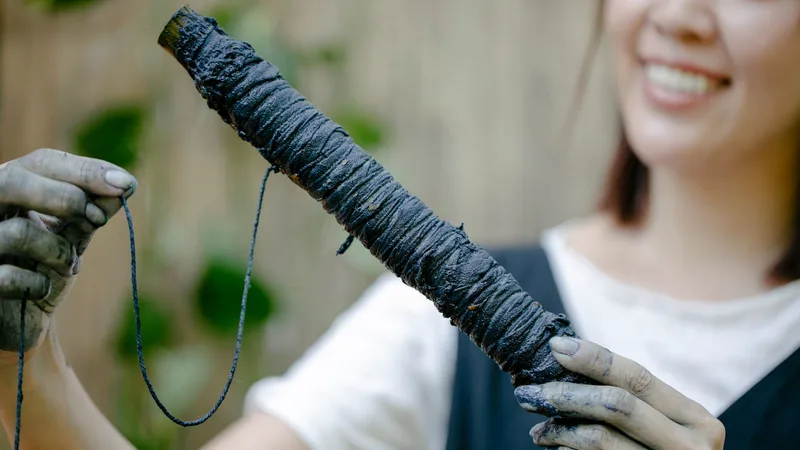
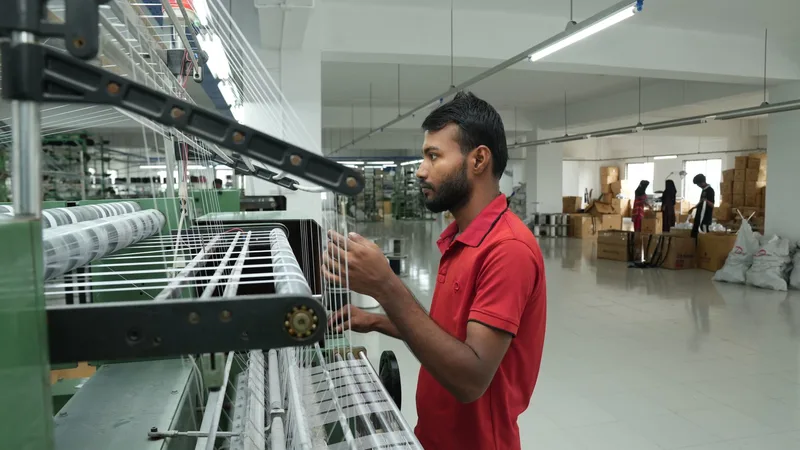
The journey from raw materials to finished yarn involves several meticulous steps. Initially, fibers are cleaned and sorted to remove impurities. Next, they are spun into strands, a process that requires precision to ensure consistency in thickness and strength. Finally, the yarn is dyed and wound onto spools, ready for distribution. Each stage of this process is crucial, as it ultimately determines the quality and appeal of the yarn, impacting the crafting experience for enthusiasts. Attention to detail is key at every turn
Sustainable Practices in Sweater Manufacturing
As the demand for eco-conscious products grows, sustainable practices in sweater manufacturing have become paramount. Consumers are increasingly aware of the environmental impact of their purchases and are seeking out brands that prioritize sustainability. This shift not only benefits the planet but also enhances the reputation of manufacturers committed to responsible practices. By focusing on eco-friendly materials and reducing waste, the industry can create stylish, comfortable garments without compromising the health of our environment. The future looks brighter with these efforts.
Eco-Friendly Materials
Utilizing sustainable fibers is a key aspect of responsible sweater manufacturing. Organic cotton, bamboo, and recycled polyester are gaining traction due to their lower environmental impact compared to conventional materials. These fibers not only reduce the carbon footprint but also promote better farming practices and resource management. By choosing eco-friendly materials, manufacturers cater to a growing demographic of environmentally conscious consumers who appreciate both quality and sustainability in their garments. It's a win-win for both style and the planet.
Reducing Waste in Production
Minimizing waste during the production process is essential for a sustainable future in sweater manufacturing. Techniques such as zero-waste pattern making and fabric recycling are becoming more common, allowing companies to make the most of their materials. Additionally, many manufacturers are now adopting practices like upcycling leftover fabrics into new products. These innovative approaches not only reduce environmental impact but also foster creativity in design, leading to unique pieces that stand out in the marketplace. As we explore the intersection of craftsmanship and sustainability, we can also draw parallels to the precision and strategy involved in gaming, particularly in the realm of internet live roulette, where every move counts.
Trends in Sweater Fashion
This season's sweater fashion is all about embracing vibrant colors and unique textures. Designers are moving away from traditional knits and are experimenting with bold patterns and oversized silhouettes. The popularity of layering has also influenced styles, with lighter sweaters being used to complement heavier outerwear. In response to consumer demand for individuality, many brands are now offering customizable options, allowing customers to choose colors and patterns that reflect their personal style. It’s a celebration of self-expression
Seasonal Styles
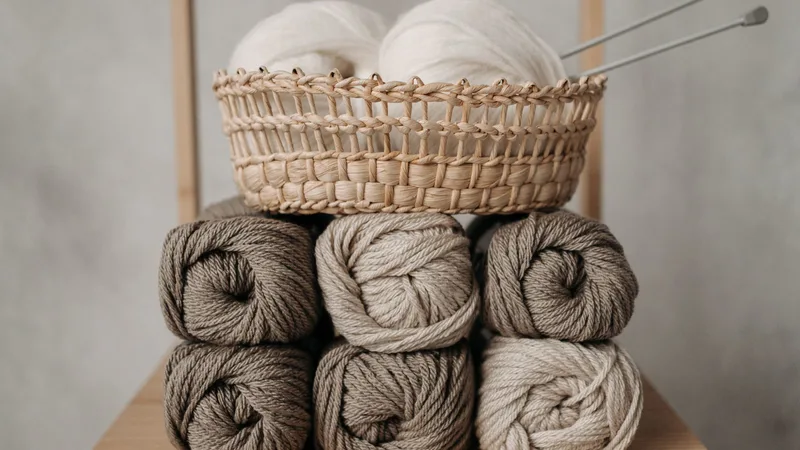
As the colder months approach, certain styles are making a significant impact in the sweater market. Chunky knits, often seen in earthy tones, are back in vogue, appealing to those who prioritize warmth and comfort. Additionally, cable-knit designs are experiencing a resurgence, providing a classic aesthetic that resonates with many consumers. Fashion shows and online platforms have also showcased the rise of cropped sweaters, allowing wearers to pair them with high-waisted jeans or skirts for a modern look. These trends offer versatility for every occasion.
Consumer Preferences
Today's consumers are more informed and selective than ever, impacting sweater manufacturing trends. A growing preference for sustainable materials has led many brands to adopt eco-friendly practices, including the use of organic cotton and recycled fibers. Furthermore, the desire for versatility has influenced designs, with many opting for sweaters that can transition from day to night. This shift in consumer behavior not only shapes the types of products offered but also pushes companies to innovate, ensuring they meet the evolving demands of the market. The landscape is changing dynamically.
Innovations in Yarn Technology
Innovations in yarn technology are transforming the sweater manufacturing landscape, paving the way for new possibilities in design and functionality. With advancements in materials science, yarns are now being developed to provide enhanced durability, breathability, and even moisture-wicking properties. These technological improvements not only elevate the quality of sweaters but also cater to the diverse needs of consumers. As we explore these innovations, we can see how they intertwine with the evolving fashion narrative. The future of fashion is tech-driven.
Smart Fabrics
The rise of smart fabrics is revolutionizing the way we think about yarns in sweater production. These technology-infused materials can monitor body temperature and moisture levels, offering a tailored wearing experience. For instance, some brands are incorporating conductive fibers that allow for the integration of wearable technology, creating sweaters that can track fitness metrics. This synergy between fashion and technology not only enhances comfort but also opens up new avenues for creative expression in garment design. It’s an exciting frontier.
3D Knitting Techniques
3D knitting techniques are making waves in the sweater manufacturing process, allowing for more complex designs and reduced waste. This method enables seamless construction of garments, resulting in a more comfortable fit without the limitations of traditional sewing techniques. Additionally, 3D knitting allows for rapid prototyping, enabling designers to experiment with styles and patterns without committing to large production runs. This innovation not only streamlines the manufacturing process but can also lead to exciting new styles that connect with consumers, much like the thrill of placing a bet in a game of roulette. It’s an evolution in the making.
From Threads to Bets: The Overlap with Casino Entertainment
The world of sweater and yarn manufacturing is rich with creativity and craftsmanship, elements that also permeate the realm of casino entertainment. As we explore the intersection of these two industries, it becomes clear that both rely on innovative marketing strategies to capture their audiences. Fashion brands often utilize storytelling and visual aesthetics to create compelling narratives, just as gaming companies design immersive experiences that draw players into their virtual worlds. This shared emphasis on creativity highlights a fascinating overlap between the intricacies of textile production and the thrilling dynamics of gaming. The parallels are intriguing.
Creative Marketing in Fashion and Gaming
In both fashion and gaming, creative marketing is essential for building a brand that resonates with consumers. Fashion labels often collaborate with artists and influencers to create unique campaigns that stand out in a crowded market. Similarly, gaming companies leverage the power of visual storytelling to engage players, using stunning graphics and innovative gameplay to keep them invested. This parallel demonstrates how both sectors harness artistic expression to forge deep connections with their audiences, promoting not just products, but lifestyles that appeal to their shared demographic. The result is a vibrant fusion of creativity that enriches both industries. It’s a powerful synergy.
The Role of Craftsmanship in Gaming Design
Craftsmanship is at the heart of both yarn production and game development, showcasing the dedication and skill required in each field. Just as a skilled artisan weaves intricate patterns into fabric, game developers meticulously design every element of their games, from the mechanics to the visuals. This attention to detail ensures that players enjoy a polished and engaging experience. Furthermore, both industries celebrate the artistry involved in their processes, fostering a culture of appreciation for the craftsmanship that transforms ideas into tangible products—whether it be a beautifully knitted sweater or an exhilarating online game. Craftsmanship truly unites these worlds.
Exploring Online Live Roulette
As we transition from the world of textiles to the realm of online gaming, live roulette stands out as an engaging and interactive option for players. This game combines traditional casino elements with modern technology, allowing players to experience the thrill of a real casino from the comfort of their own homes. With live dealers, real-time gameplay, and interactive features, online live roulette offers a unique blend of excitement and convenience. Understanding the mechanics of this game can enhance the overall gaming experience, bringing together elements of chance and strategy in one captivating format. The game evolves constantly.
How Live Roulette Works
Live roulette operates by streaming a real dealer and a physical roulette wheel to players via an online platform. Players can place their bets in real time, interacting with the dealer and other participants as the game progresses. This format creates an immersive atmosphere similar to being in a physical casino, yet it offers the convenience of playing from anywhere. The integration of advanced technology ensures that the experience is seamless and engaging, with high-definition streams and responsive interfaces that cater to a diverse range of players. Understanding the rules and strategies can enhance one's chances of success in this popular casino game. Knowledge is power in this game.
Connecting Fashion with Gaming Culture
The influence of fashion trends on the aesthetics of iGaming is an exciting aspect of contemporary gaming culture. As fashion evolves, so do the visuals and themes of online games, reflecting current styles and societal influences. Designers in both industries often draw inspiration from one another, leading to unique collaborations that blend gaming with fashion. This cross-pollination enriches the gaming experience, making it more relatable and appealing to players who are attuned to the latest trends. Ultimately, the connection between fashion and gaming culture underscores the dynamic nature of both industries and their ability to inspire one another. The future looks promising.